

Strategic environmental risk mitigation for bushland assets
Reduce bushfire risk. Improve landscape resilience. Maintain the bushland.
ReduceRisk helps property owners, building managers and land managers assess site risk, reduce fuel loads, complete practical mitigation works and maintain clear evidence for insurance and stakeholder conversations.
Typical response within 1–2 business days.
STRATEGIC ENVIRONMENTAL RISK MITIGATION FOR BUSHLAND ASSETS
Ecological risk mitigation, grounded in practical land care.
ReduceRisk helps property owners, building managers and land managers assess site risk, reduce fuel loads, complete practical mitigation works, cultivate postitive ecological outcomes and maintain clear evidence for insurance and stakeholder conversations.
Typical response within 1–2 business days.

THE COST OF UNMANAGED SITE RISK
Unmanaged site risk becomes bushfire, maintenance and insurance risk.
Bushfire exposure is not just an environmental issue. Unmanaged vegetation, poor access, unclear Asset Protection Zones, erosion pressure and missing maintenance records can quickly become financial, operational and insurance problems for property owners, managers and agencies.
Fuel load
Ground fuel, deadwood, grasses and unmanaged vegetation can accumulate quietly over time.
Access
Blocked tracks, tight entries and poor vehicle access can limit maintenance and response options.
Defendable space
Managed buffers and APZ areas need clear planning, appropriate works and ongoing upkeep.
Document gaps
Without photos, maps, records and maintenance history, completed works are harder to demonstrate.

WHO WE HELP
For organisations and owners who need risk reduced, recorded and maintained.
ReduceRisk supports sites of many scales, from smaller urban interface lots to larger rural and commercial holdings. Where land, buildings, access and vegetation need to be managed together.
Private landholders
Private landholders and asset owners looking to mitigate bushfire and environmental risk.
Property & building managers
Maintenance planning, contractor coordination, reporting and insurance records.
Land managers
Sites balancing vegetation condition, access, habitat and risk reduction.
Government & agencies
Public land, access routes and managed sites requiring defensible records.
SITE CONDITIONS WE ADDRESS
The visible risk is usually only part of the problem.
ReduceRisk assesses the site conditions that contribute to bushfire exposure, maintenance pressure, insurance concern and long term land management problems.

THE REDUCERISK PATHWAY
A pathway from site risk to ongoing stewardship.
Assessment and planning give you clarity. Stewardship keeps the risk reduced, recorded and maintained over time.
ReduceRisk combines site assessment, risk reduction planning, ongoing land stewardship and documentation for properties at the bushland interface.
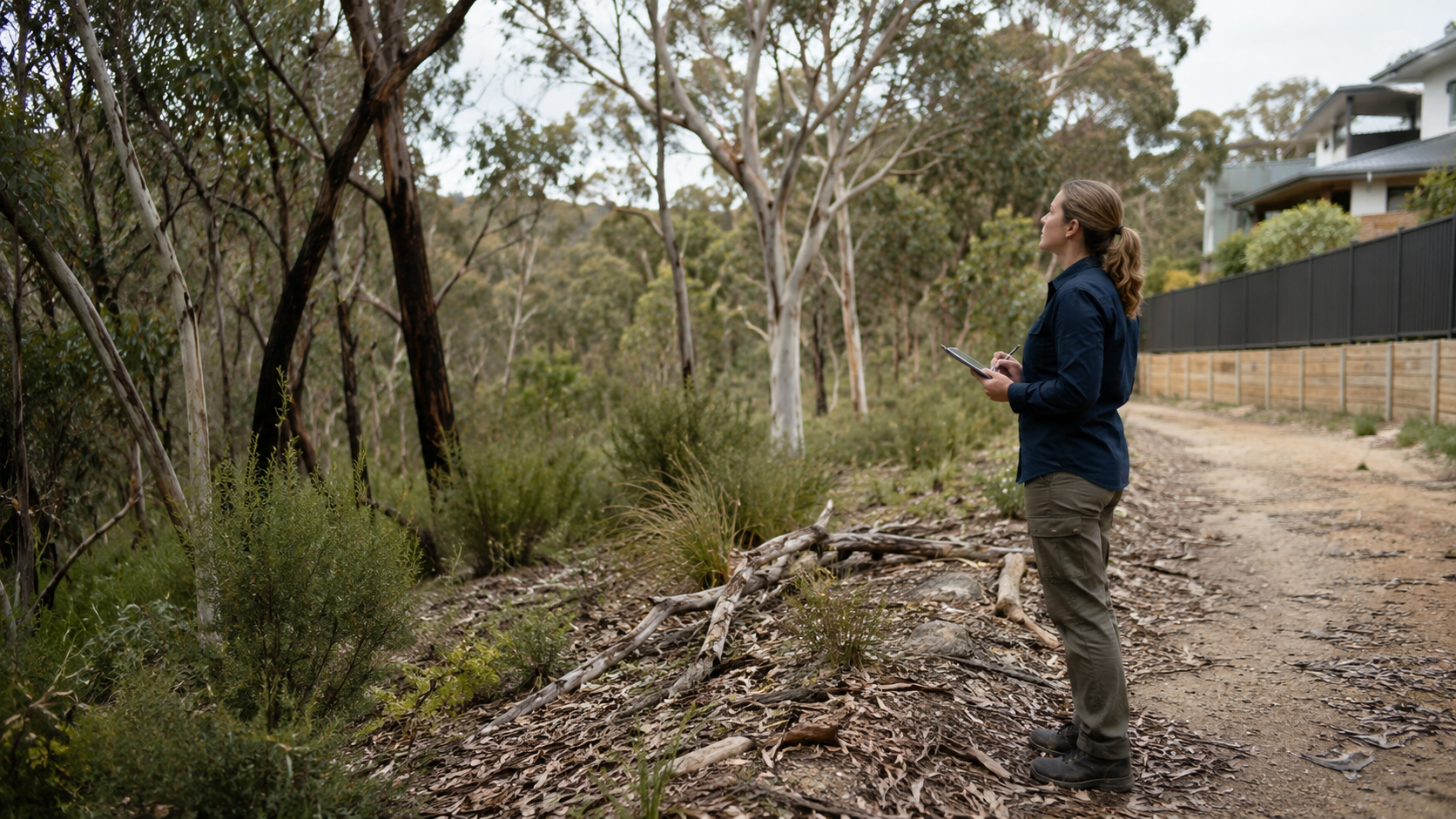
Step 01 / Assessment
Understand the site before works begin.
Start with the site reality.
We inspect vegetation condition, fuel load, access, constraints and site-specific priorities before recommending a practical pathway.
You get:
- Site inspection and risk summary
- Photos and priority areas
- Recommended next-step pathway

Step 02 / Planning
Turn site risk into a works pathway.
Move from uncertainty to strategic action.
We prepare a clear management plan outlining recommended actions, staging, maintenance rhythm and ecological considerations.
You get:
- Prioritised mitigation recommendations
- Works scope and staging pathway
- Maintenance schedule guidance
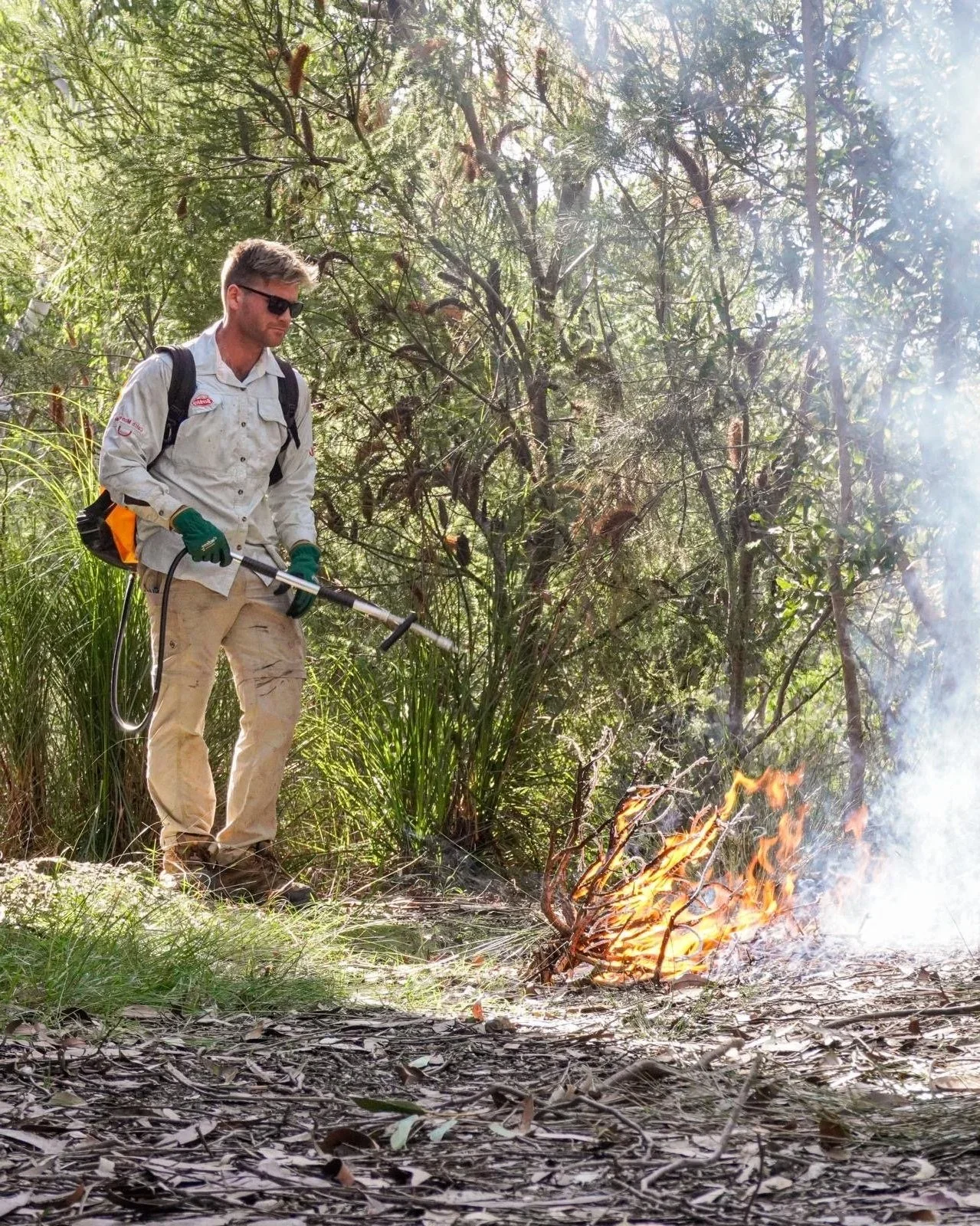
Core Service / Stewardship
Keep risk reduced, recorded and maintained.
The real value is not a one-off report. It is keeping risk from quietly returning.
Our team delivers targeted vegetation management, ecological restoration, follow-up works and documentation so the site remains actively managed over time.
Stewardship includes:
- Targeted on-ground mitigation works
- Before-and-after documentation and reporting
- Scheduled follow-up works and maintenance records
Discuss stewardship
Best for owners, managers and agencies who need practical risk reduction with an evidence trail over time.

FROM ASSESSMENT TO STEWARDSHIP
Our process from assessment to stewardship.
Inspect the site. Plan the works. Maintain the landscape. Document the outcome.
Inspect
Assess vegetation, fuel load, access, assets and constraints before works begin.
Plan
Set priorities, scope works, stage actions and define the maintenance rhythm.
Maintain
Keep risk reduced through scheduled review, follow-up works and ecological stewardship.
Discuss stewardship
Document
Document works with photos, maps, notes, action summaries and maintenance evidence.

ECOLOGICALLY INFORMED MITIGATION
Reduce risk without creating new land management problems.
Poor mitigation can damage habitat, increase erosion, remove useful vegetation structure or create maintenance problems later. ReduceRisk uses a site specific approach that considers bushfire exposure, vegetation condition, ecological value, access and long-term stewardship.
| Standard approach | Our approach |
|---|---|
| Clear first, assess later | Assess first, intervene precisely |
| Vegetation treated as mess | Fuel, habitat and structure considered |
| One-off works | Planned maintenance rhythm |
| Minimal records | Clear evidence trail |
| Risk reduced temporarily | Risk managed over time |
| Maintenance burden returns | Landscape resilience improves over time |
| Compliance risks discovered late | Threatened species, habitat values and site constraints considered upfront |

RESPONSIBLE DELIVERY
Qualified, insured and documented
ReduceRisk works are delivered with practical field capability, safety systems and records that support responsible property management.
Training &
accreditation
- Nationally recognised complex prescribed burning accreditation
- Australian Association of Bush Regenerators accreditation
- First Aid + CPR
- AgVet Chemical Users registration
- Chainsaw competency
Insurance
- Professional indemnity insurance
- Public liability insurance
- Workers compensation cover
- Comprehensive vehicle insurance
- Certificates of currency available on request
Safety / WHS
- Safety, environmental and quality processes in line with recognised management standards
- SWMS / JSA processes
- Site-specific risk controls
- Incident and response procedures
Records &
reporting
- Digital reporting and monitoring workflows
- Maps, notes and photo logs
- Before-and-after evidence
- Action summaries
- Maintenance pathway records

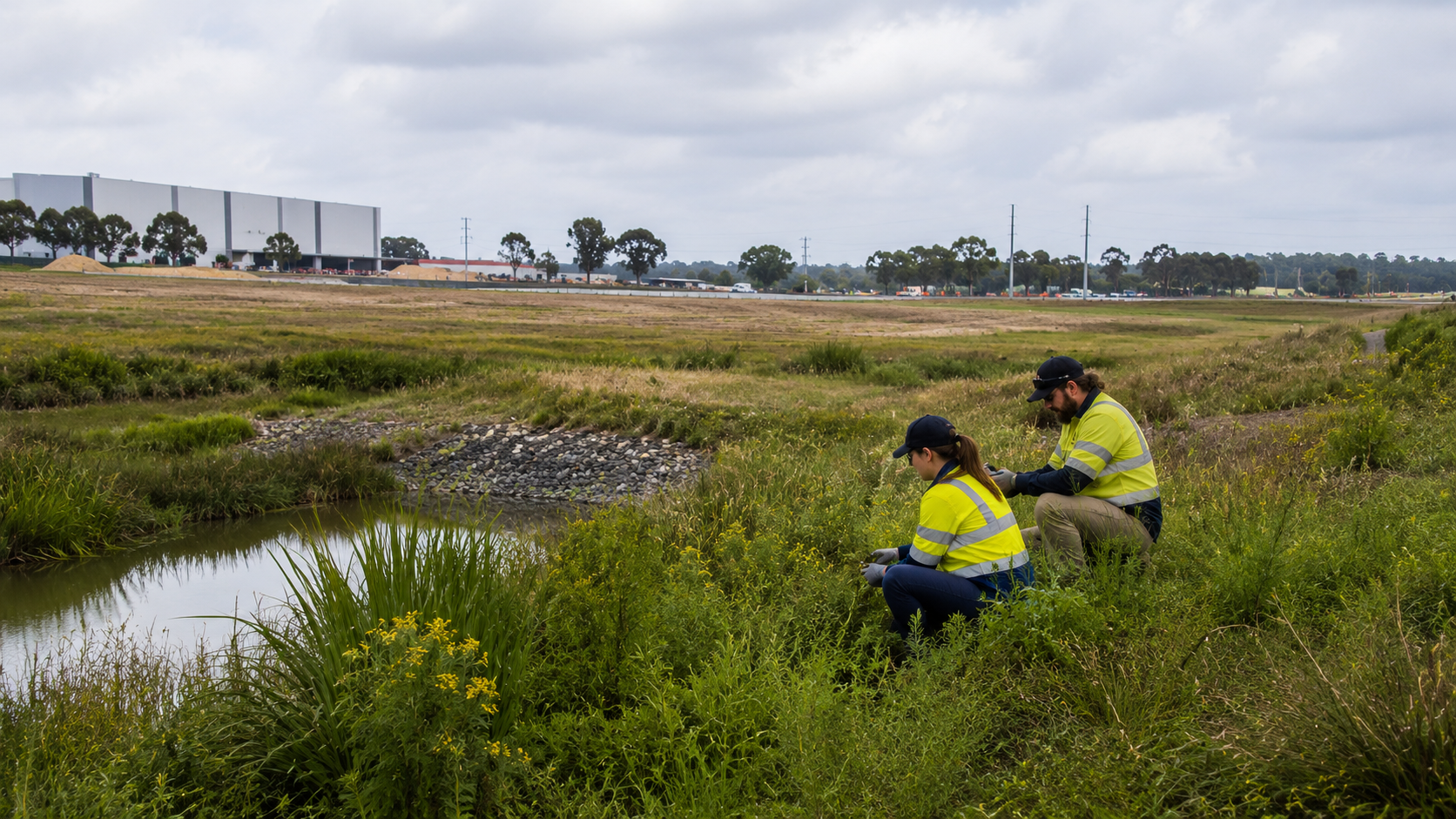
Selected project experience
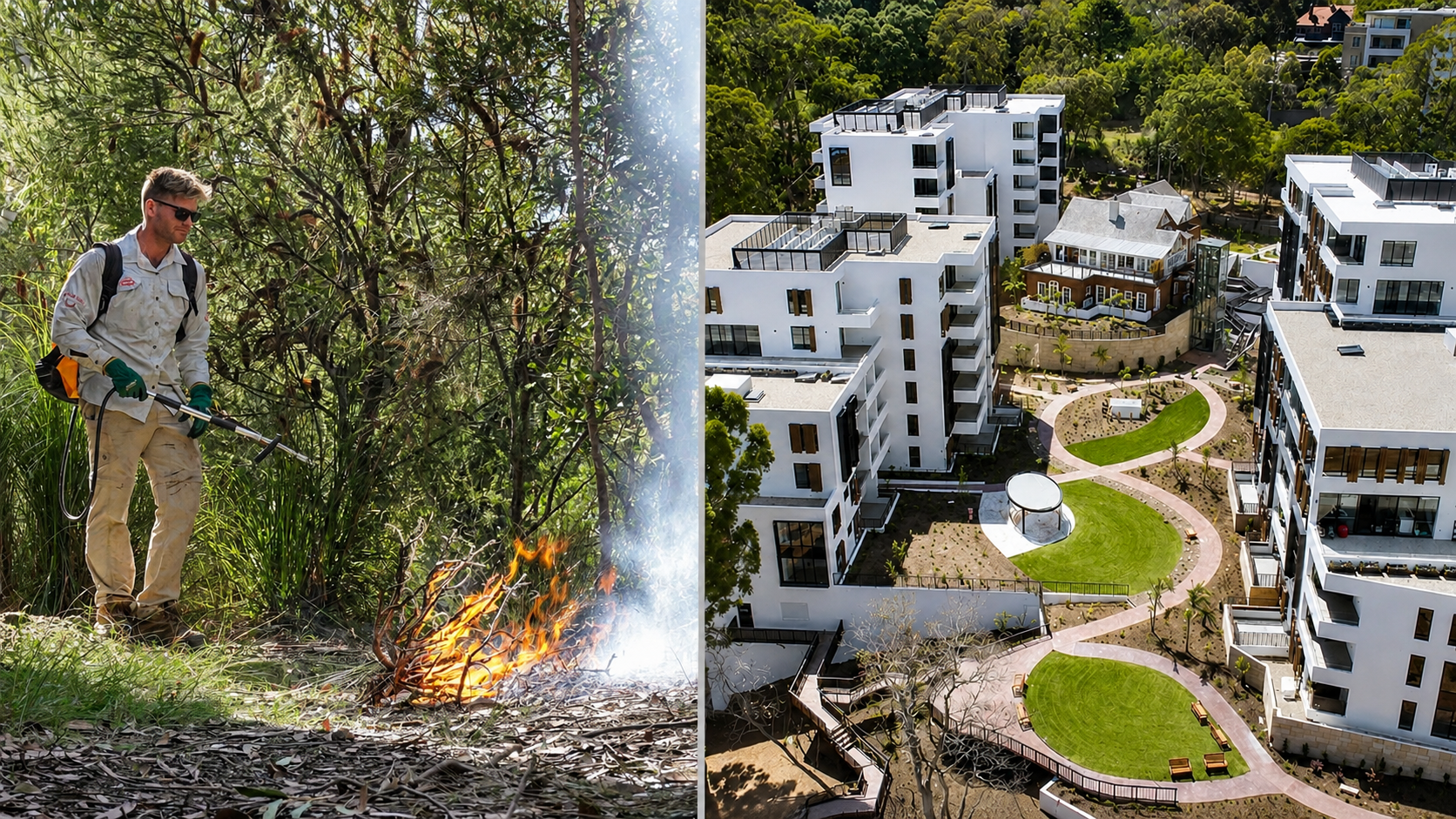
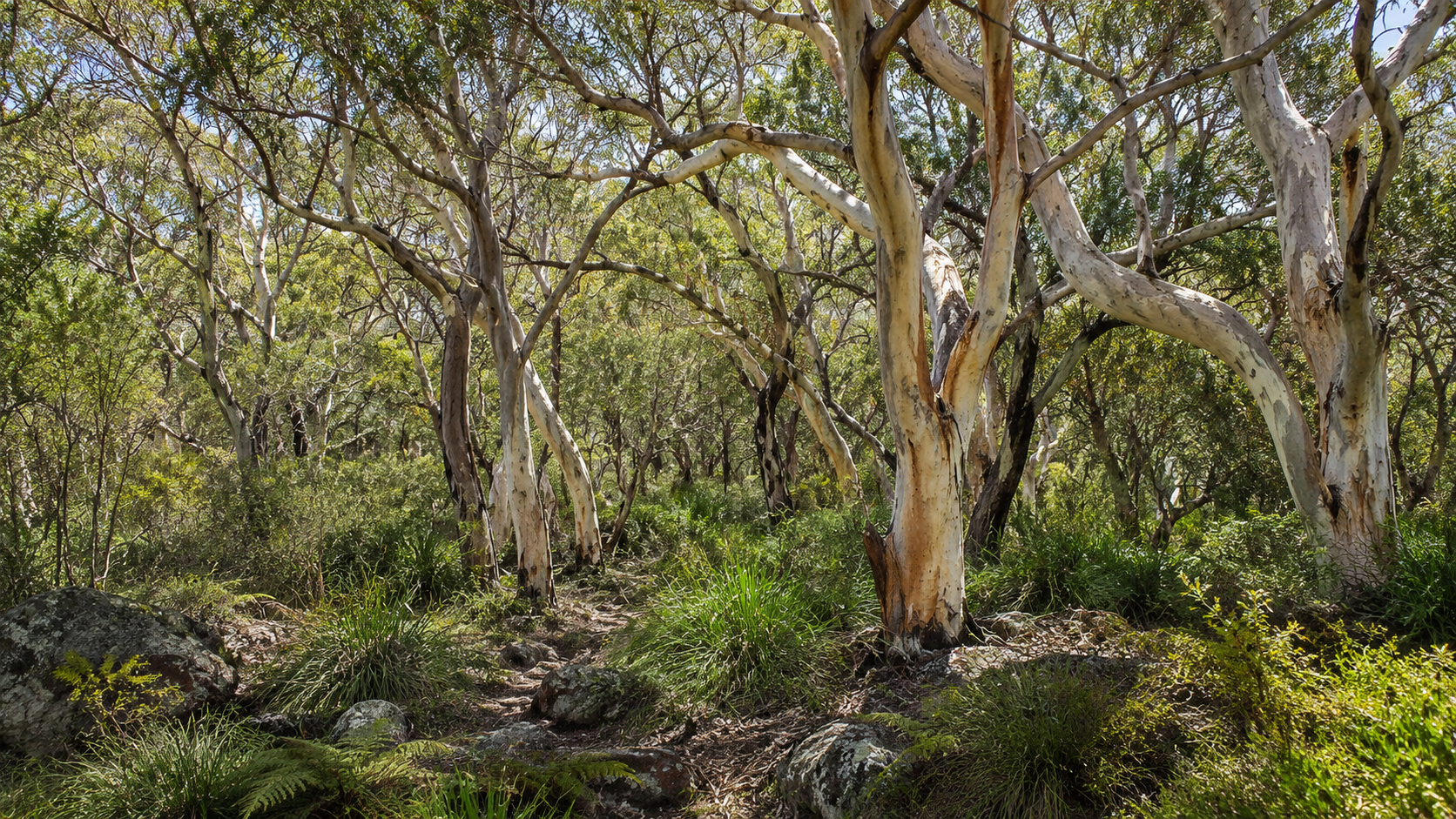
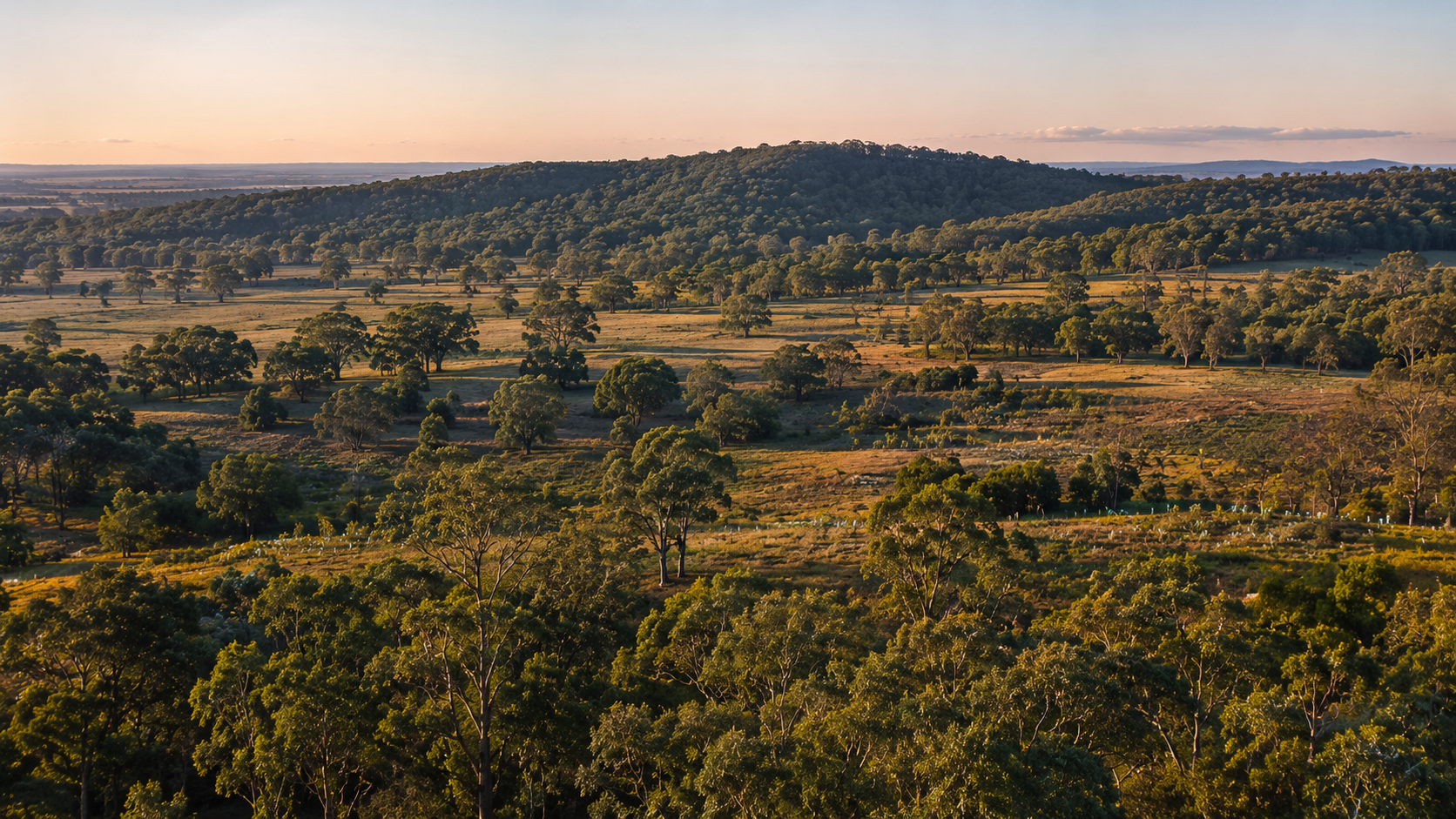
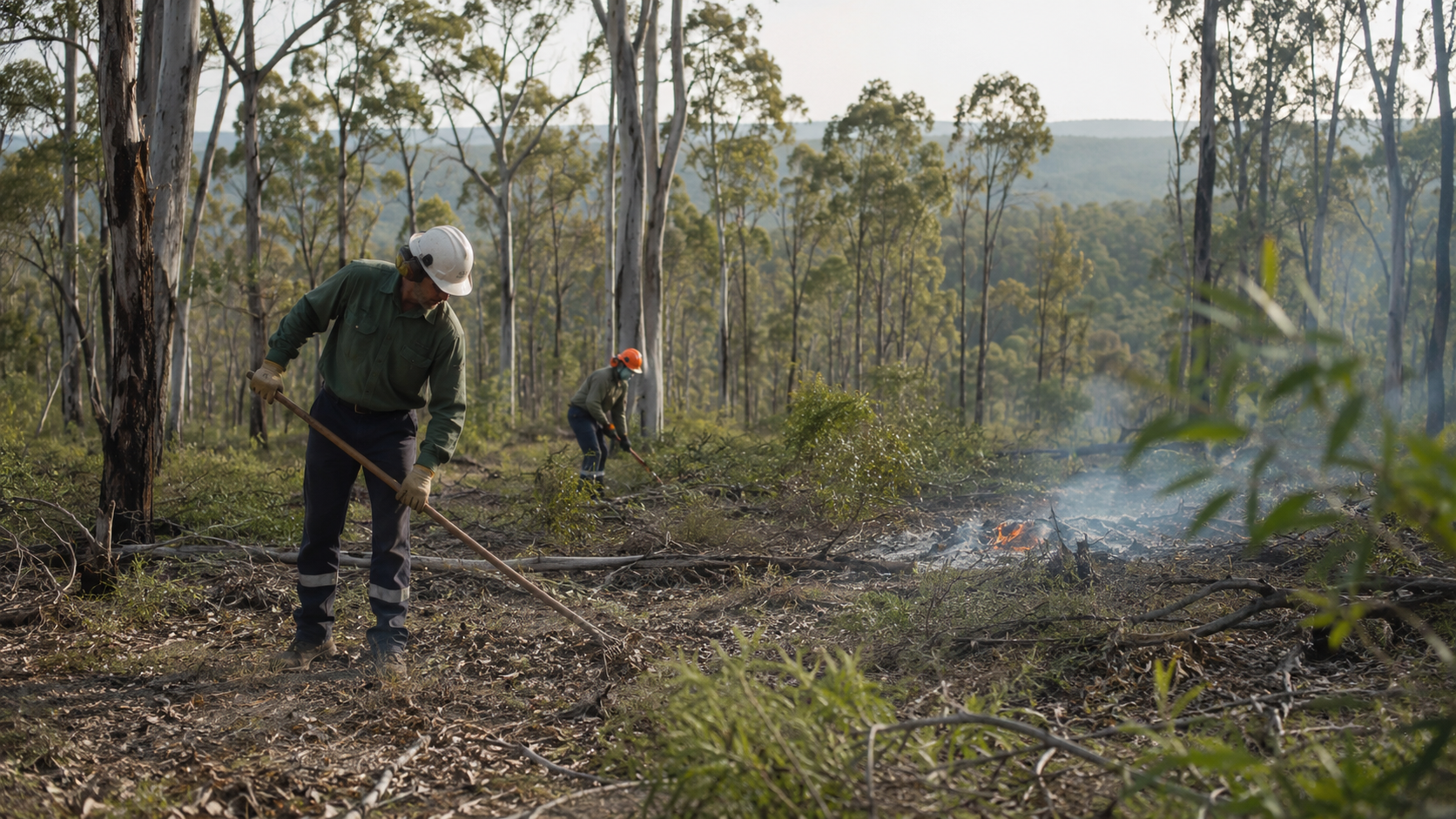
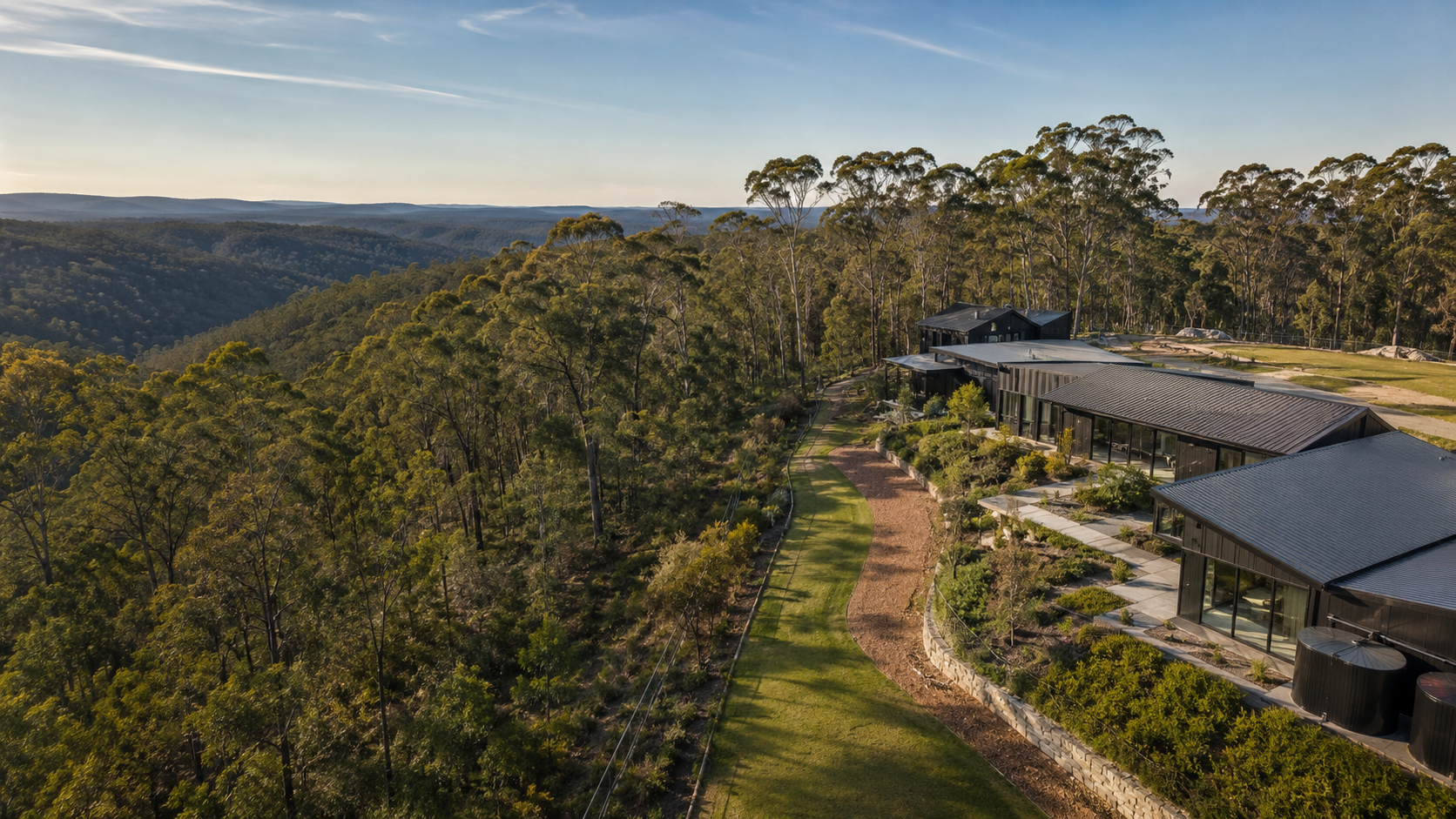
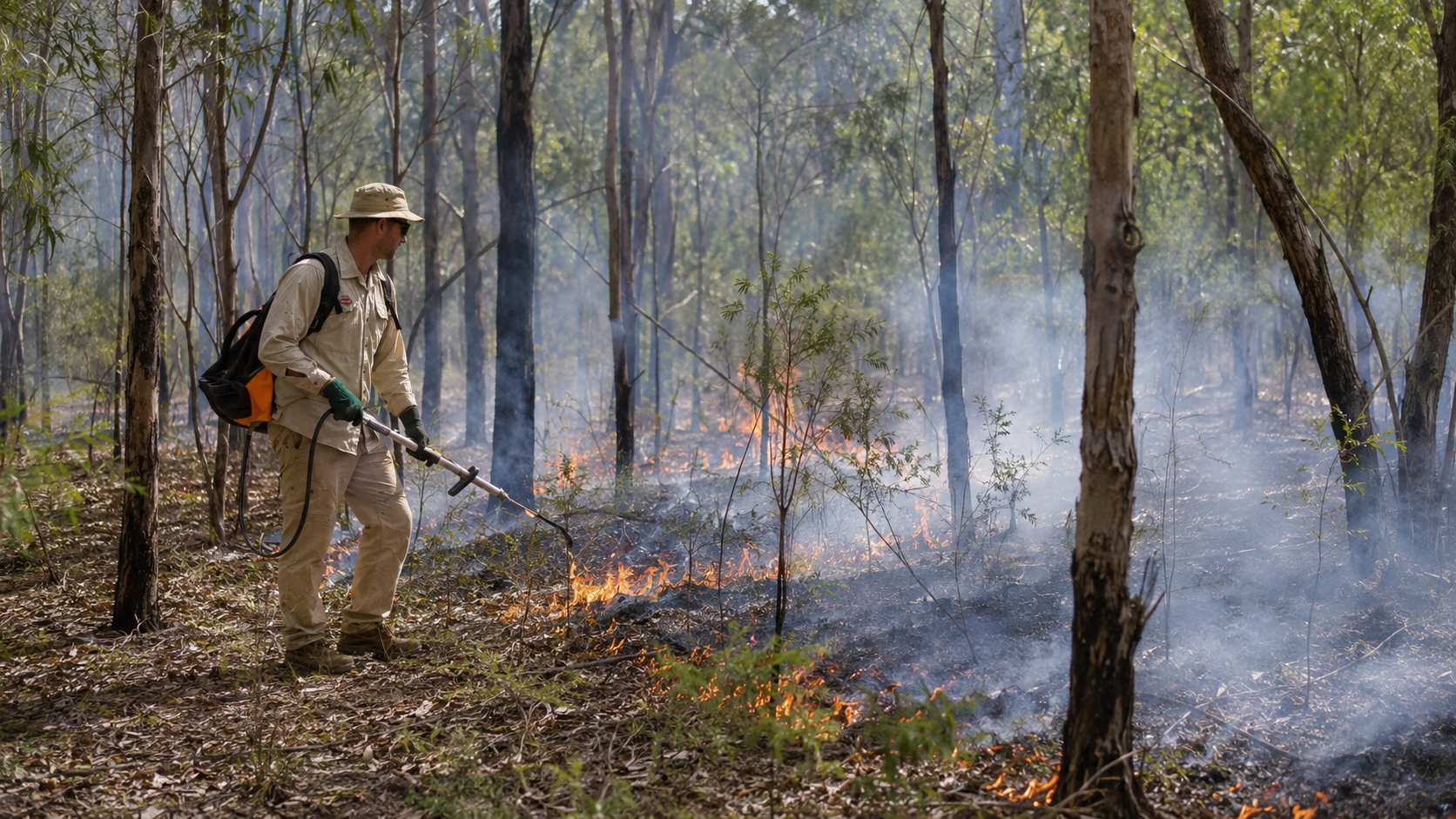
LOCAL KNOWLEDGE, PRACTICAL DELIVERY
Grassroots ecological expertise. Practical risk management.
ReduceRisk is delivered by Endemic Environmental, a grassroots ecological restoration team focused on practical, long term outcomes. Our work combines formal ecological training, First Nations guidance, science based methods and years of on ground experience across New South Wales.

Greg Taylor
Founder and Managing Director

CLIENT VALUE
What our clients value.
Clients come to ReduceRisk when they need site risk reduced, documented and managed over time.
The works and evidence pack provided by ReduceRisk gave our broker what they needed. Our insurance premium reduced by 31% at renewal.
Clear plan, professional delivery, and documentation we could share with stakeholders.
Not just a clean-up, a practical management plan for the site, with records we could keep using.
Insurance and site outcomes vary by insurer, policy terms, site condition, approvals, maintenance history and market conditions. ReduceRisk does not guarantee reduced insurance premiums.
Affiliated with:


QUESTIONS BEFORE YOU START
Your questions, answered.
-
No. We deliver practical risk reduction and documentation that can support underwriting conversations. Outcomes depend on insurers and property specifics.
Insurance decisions are made by insurers. ReduceRisk provides practical mitigation works and clear documentation that may support stronger insurance conversations, risk reviews and evidence of completed works.
-
Yes. We are trained, qualified and equipped to undertake prescribed burning safely and legally. When prescribed, burning forms part of a site's management strategy. We prepare the required documentation, coordinate the approval process and obtain all necessary agency approvals before any burning takes place.
-
Yes. Our insurance suite, including public liability, professional indemnity and workers compensation cover is arranged to cover the land stewardship services we provide (including prescribed burning activities where approved and delivered as part of the works.)
Certificates of currency can be provided on request.
-
Many providers stop at assessment or documentation. ReduceRisk can assess the site, plan the response, deliver practical mitigation works, document the outcome and provide ongoing ecological stewardship.
-
No. Bushfire risk is a major focus, but our work also considers vegetation condition, access, erosion pressure, maintenance burden, ecological resilience, threatened species considerations and documentation needs.
The goal is not just to reduce immediate risk but to keep the site managed, recorded and resilient over time.
-
A scheduled maintenance arrangement where ReduceRisk returns over time to monitor vegetation condition, complete follow-up works, update records and prevent risk from quietly rebuilding.
-
A brief description of the property, location, site type, current concerns, access issues, recent insurer requests if relevant, and any existing reports or photos.
-
No. Broad clearing can create new ecological and maintenance problems. ReduceRisk uses a site-specific approach that considers fuel load, habitat, access, erosion, vegetation structure and long-term stewardship.
-
Insurance decisions are made by insurers. ReduceRisk provides practical mitigation works and clear documentation to support stronger insurance conversations, risk reviews and evidence of completed works.
-
No. Prescribed burning is only used where suitable, permitted and risk-controlled. Many sites require vegetation management, access improvement, ecological restoration, documentation and ongoing maintenance instead.
START WITH A SITE ASSESSMENT
Know your environmental site risk before it becomes a financial problem.
Need clarity on vegetation risk, site constraints, or the right management response?